
Why Proper Socialisation Matters for Your Dog
As a dog trainer, I see time and time again the negative effects of improper socialisation. At worst, a lack of socialisation can result in a dog who is reactive or fearful of many things in their environment. But it can also present in more subtle ways, such as a dog who is nervous being left alone, refuses to go in the car, balks at walks, barks at children, or dislikes guests coming into the home.
Because of this, it is worth taking a closer look at what socialisation really is and what we should be exposing our puppies to in order to give them the best possible start in life.
What Socialisation Really Means
Socialisation is the process by which puppies learn to interact with and recognise people, animals, objects, and environments. All animals go through this period, and it provides the blueprint for how they will respond to the world. In dogs, the key socialisation period runs roughly from three to sixteen weeks of age. During this time, puppies learn what is safe, interesting, or neutral and what they do not need to fear. Crucially, they approach new experiences with curiosity rather than caution. After this window, dogs are more likely to become fearful or uncertain when encountering new stimuli.
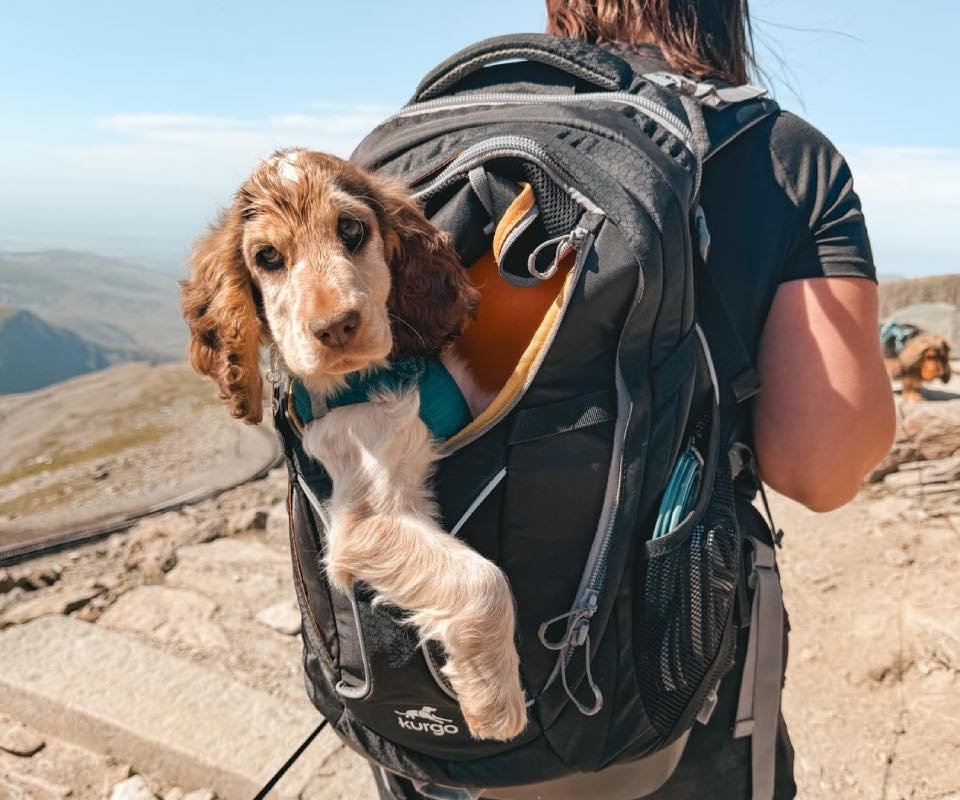
Because this period is limited, it is important to start socialisation as soon as you bring your puppy home. Waiting until vaccinations are complete means missing a vital part of this window. You can safely carry your puppy in your hands, a sling, a backpack, or a doggy-buggy so they can experience the world without being exposed to disease. Vaccinated dogs do not pose a risk to your puppy.
Socialisation is not the same as letting your puppy greet every dog they meet. Repeated greetings, especially on lead, teach puppies that access to other dogs is expected. When that access is later prevented, frustration builds, which often develops into pulling, barking, lunging, and lead reactivity. High-arousal interactions can also make it harder for puppies to regulate their emotions around other dogs. Instead, socialisation should focus on calm exposure in the presence of other dogs, teaching puppies to observe, disengage, and make thoughtful choices rather than rehearsing over-excited behaviour.
I do not recommend allowing your puppy to interact with any dogs that you do not know. If you’d like to learn more about how to handle interactions with other dogs, click here to read a blog on this subject.

Why Socialisation Is So Often Misunderstood
When people hear the word socialisation, they often picture puppies meeting lots of dogs, greeting every person they see, and being encouraged to interact with everything in their environment. This well-meaning approach is one of the most common ways socialisation goes wrong.
Allowing puppies to greet every dog and person they encounter can easily create problems. Puppies can learn that other dogs are extremely exciting, leading to frustration, pulling on the lead, and then reactivity later down the line when access is prevented. Others may have negative or overwhelming interactions that teach them dogs or people are unpredictable or unsafe. Both outcomes can have long-lasting effects.
True socialisation is not about quantity of interactions. It is not about dog parks, forced greetings, or encouraging puppies to say hello to everyone. In fact, too much interaction, especially during this sensitive developmental period, can result in over-arousal, poor social skills, and difficulty coping calmly in everyday situations.
Instead, good socialisation focuses on calm exposure, thoughtful experiences, and learning how to exist comfortably in the world without needing to interact with everything in it.
Puppies do not need to interact with everyone to be well socialised. Learning to share space calmly is far more valuable than frequent play or greetings. Spending time around well-adjusted, socially mature dogs on walks allows puppies to observe appropriate behaviour such as sniffing, exploring, and disengaging. This teaches them that other dogs are part of the environment, not something to become over-excited about or worried by.
Socialisation check list:
Socialisation is about introducing your puppy to the diversity of the world they will live in. This includes:
-
Children of all ages: babies, toddlers, teenagers
-
Elderly people
-
People with mobility aids: walking sticks, walkers, wheelchairs, mobility scooters, hearing aids or other assistive devices
-
People with different skin tones
-
People wearing hats, scarves, glasses, high-vis gear, rucksacks, boots, or high heels
-
Delivery people and visitors at the door
-
Other dogs of all sizes and breeds
-
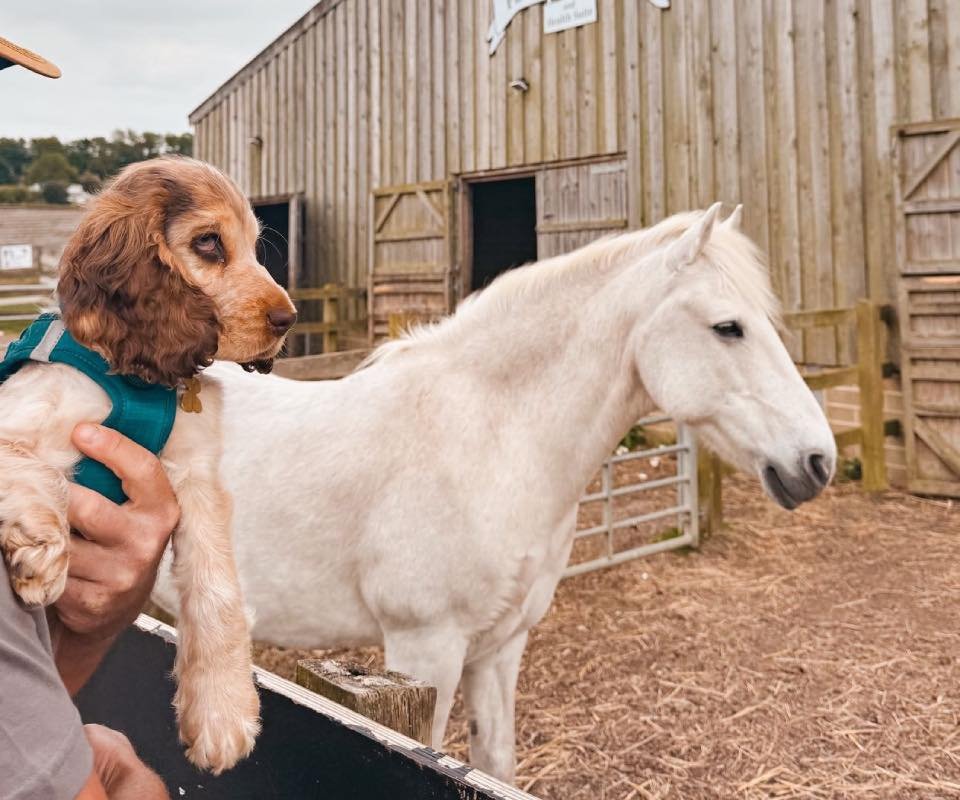
Other pets and animals: cats, gerbils, guinea pigs, birds, farm animals, horses

Habituation Matters Too
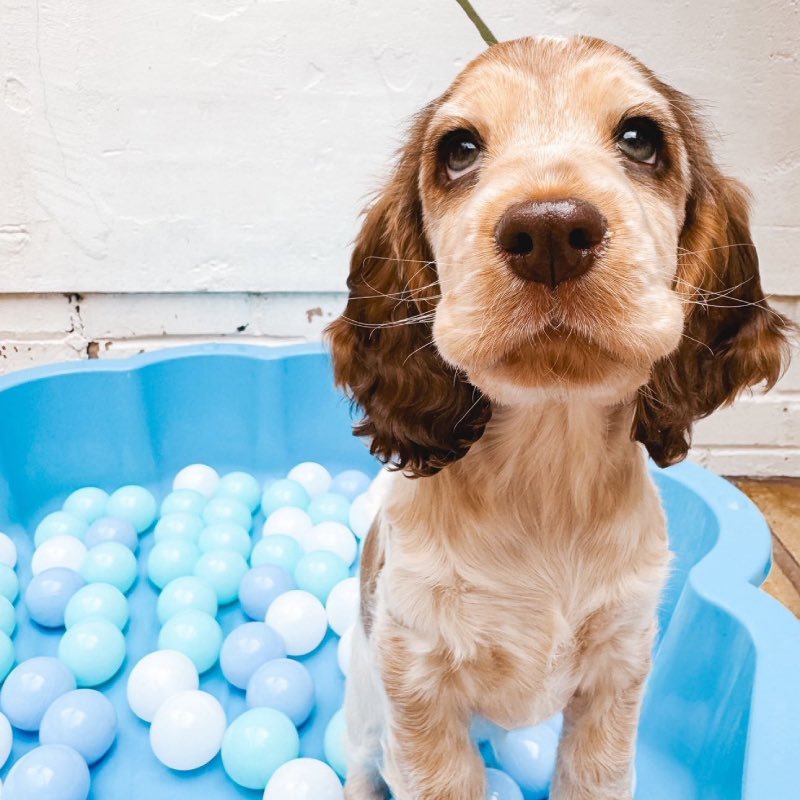
Equally important is habituation. This is the process by which your puppy learns to ignore non-threatening stimuli, including objects, sounds, sights, and smells. Our dogs live in a world full of stimuli, from playgrounds and traffic to doorbells and household appliances. Habituation teaches them what is normal and not something to react to, setting them up for confident, stress-free lives.
Habituation check list:
Habituation goes beyond meeting people and animals. Puppies should be gently exposed to:
-
Everyday noises: vacuum cleaners, washing machines, drills, traffic, thunderstorms, fireworks
-
Objects in motion: bikes, buses, prams, wheelchairs
-
Car travel
-
Grooming: baths, brushing, nail trimming, ear cleaning
-
Different surfaces: grass, gravel, carpet
-
Cafes, shops, restaurants, friends’ homes
-
Wearing a collar or harness and walking on a lead
-
Handling of paws, tail, ears, mouth, and claws
Think about your dog’s daily life. A city dog will need different exposures than a farm dog.
How to Make Socialisation Safe and Positive
Let your puppy approach new experiences at their own pace. They should always be able to move away if they want to. Use treats and gentle praise to create positive associations. Keep sessions short, with plenty of downtime for your puppy to process everything. Children should not crowd your puppy, and other dogs should be carefully chosen for safe interactions.
Socialisation sets your puppy up for a successful, confident life. The work begins with breeders and continues at home. It is easy to get it wrong, and the consequences can last a lifetime for both you and your dog.
If you have recently brought home a puppy or adopted a dog and want guidance on getting socialisation right, you can reach out to me to chat or book a session.